LF logo
by learnformula
search
LearnFormula BusinessLog in
search
Courses/Ethics & Professional Responsibility/Civility, Bias & Inclusion

When Equality Isn't Equal: Law, Social Justice and the Challenge of Systemic Disadvantage

Examine how seemingly neutral laws perpetuate hidden biases and learn strategies to dismantle systemic barriers, bridging the gap between theoretical rights and true social equity.
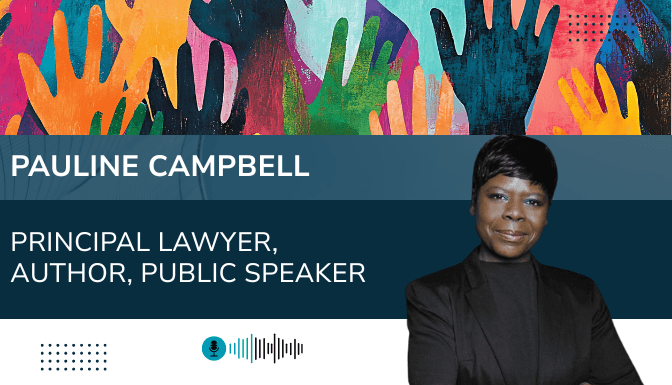
Created byPauline Campbell
emoji_eventsEditor's Pick· 5.0/5BeginnerUpdated Aug 11, 2026
When Equality Isn't Equal: Law, Social Justice and the Challenge of Systemic Disadvantage

What You'll Learn

check_circleUnderstand the relationship between legal rights and systemic disadvantage
check_circleAssess how equality and anti-discrimination frameworks operate in practice
check_circleEvaluate the role of public bodies in promoting fairness and accountability
check_circleIdentify legal and institutional barriers to achieving substantive equality
check_circleApply social justice principles when advising clients, shaping policy, or delivering public services

About This Course

The law is often viewed as a mechanism for ensuring fairness, equality, and justice. Yet despite extensive legal protections, significant disparities continue to exist across areas such as race, education, employment, housing, policing, and access to public services. These challenges raise important questions about the relationship between legal rights, institutional practices, and the lived experiences of individuals and communities affected by systemic disadvantage.

For lawyers, public bodies, and policymakers, addressing inequality requires more than understanding statutory obligations. It demands an appreciation of how legal frameworks operate in practice, how institutions respond to challenges of discrimination and exclusion, and how accountability mechanisms can be used to drive meaningful change. As debates around equality, diversity, representation, and social justice continue to evolve, legal professionals increasingly find themselves navigating complex questions at the intersection of law, policy, and societal outcomes.

This session examines the role of law in addressing systemic disadvantage and explores the opportunities and limitations of legal frameworks in delivering social justice.

Key Topics Discussed:

  • Equality law and its practical application
  • The difference between formal equality and substantive equality
  • Systemic disadvantage and institutional barriers
  • Public sector equality duties and accountability
  • Lessons from the Windrush scandal
  • Access to justice and underrepresented communities
  • Race, representation, and public institutions
  • The role of lawyers in advancing social justice
  • Community advocacy and legal empowerment
  • Organisational culture and institutional change
  • Public trust, fairness, and accountability
  • Emerging social justice challenges for legal professionals

Your Instructor

Pauline   Campbell
Pauline Campbell

Principal Lawyer, Author, Public Speaker

menu_book1 courses

Pauline grew up in north and east London to Jamaican parents. As a child she loved to read, and dreamed of becoming a lawyer, but when she was told at the age of 15 that she was not ‘A’ level material. She scraped a few qualifications together to secure various office jobs. But in her early thirties, she began to gain a sense of belief in herself. Taking on a law degree which led to her qualifying as a lawyer at the age of 41. She worked in a senior legal position for Hackney Borough for over 14 years and currently works for Waltham Forest. In 2016, heading a team of Lawyers, she won Litigation Team of the Year at the Lawyers in Local Government Awards. Pauline also works as a Supervising Lawyer on The Windrush Justice Clinic, in which she works with final year law students within Westminster University, providing free legal advice and preparing Windrush Compensation claims for victims of the Windrush scandal. Pauline has written on race and Identity, including her short story “Rice and Peas and Fish and Chips’ which was published in the London Reader in spring 2020 online and in print. This is her first full length non-fiction novel.

Credit Information

What Students Are Saying

0.0
Student's Choice
0 reviews

Frequently Asked Questions

We are a registered provider with 327+ associations and regulatory bodies worldwide. We operate across 29 global markets including Canada, the US, Australia, and the UK. Every course page clearly displays its specific accreditations. Upon completion, you receive a professional certificate that can be validated online. Our certificates include all necessary accreditation details, credit hours, and completion dates, and are formatted specifically to meet the submission requirements of most global regulatory bodies.

You May Also Like

Audit & Assurance: Anti Money Laundering

Demystifying AI in AML Compliance: Technologies Reshaping KYC and Financial Crime Detection

star5.0(3)
1 CPD hr
Law: Legal Writing (Professionalism)

ChatGPT & Generative AI in Legal Writing [2026]

star5.0(5)
1 CPD hr
Law: Technology Training

The Lawyer’s Guide to ChatGPT, Claude, Gemini & Copilot

star5.0(12)
1 CPD hr